- Landing Page -

Home » Landing Page

Katia S

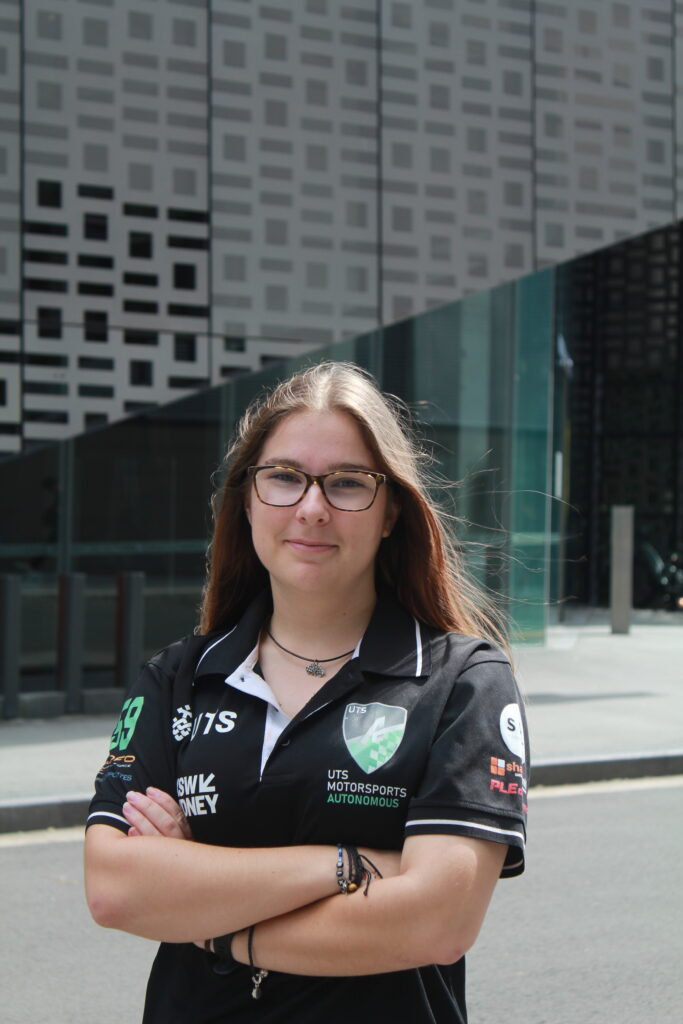
I'm Katia, an enthusiastic Mechatronic Engineering student at the University of Technology, Sydney.  I thoroughly enjoy channelling my passion for programming and 3D design into my projects. 


Engineering holds a special place in my heart as it allows me to apply universal skills in all sorts of industries.  That way I can work adaptably, and choose what field I want to pursue, in order to fulfil my desire to help others.  Throughout my career I aim to be as flexible as possible while working so I might travel the world or work from remote areas.  I want to take on automation problems and design solutions for clients, and ideally turn that into my own business.


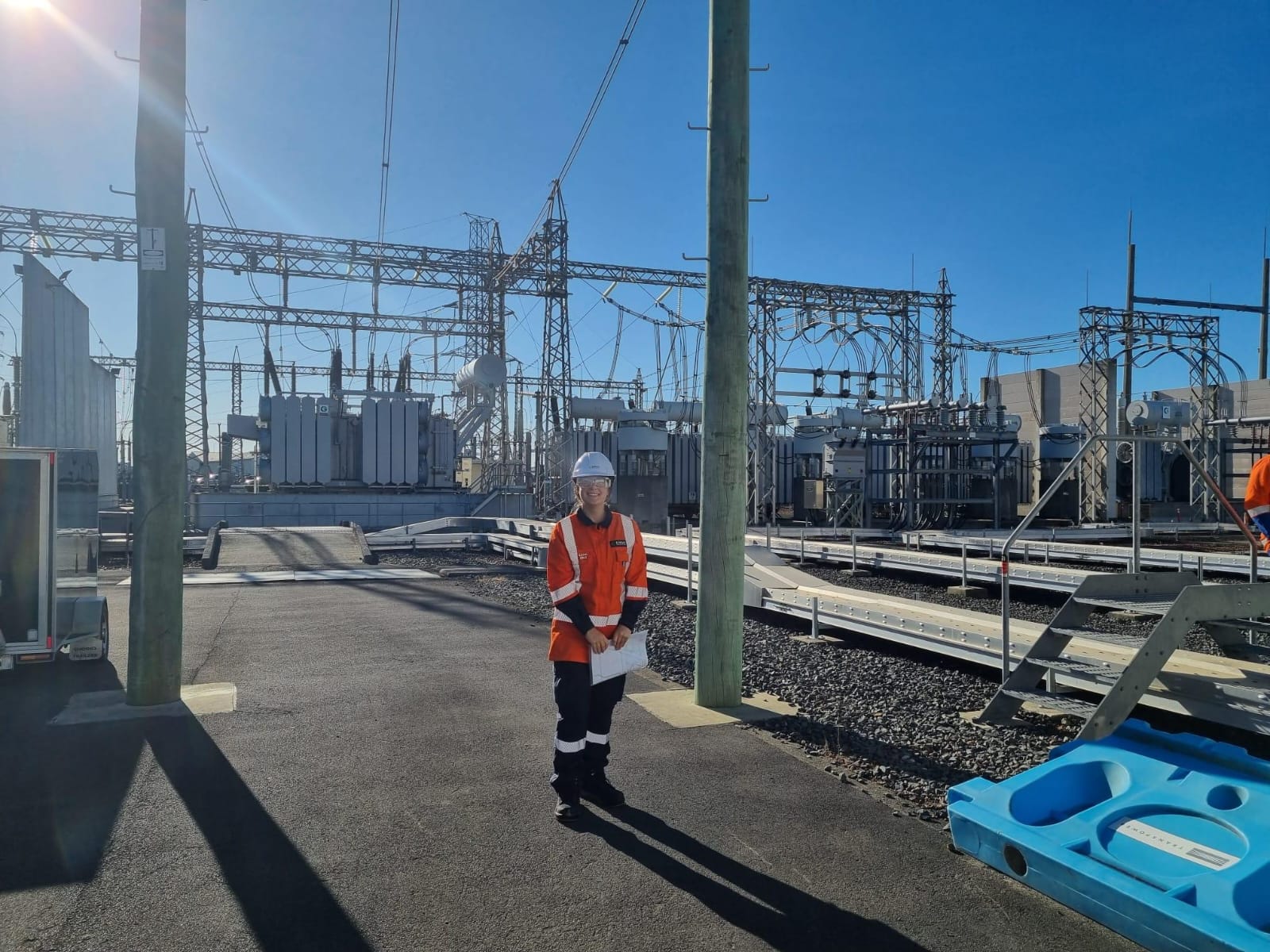
In my three month internship in New Zealand at an electrical consultancy firm, I was able to both travel overseas, and work with clients to design a solution to a mechatronics problem.  It has been a great achievement, and I now work for them remotely as a casual intern.  To further advance my career, I have also spent the past two years tutoring a mechatronics class at UTS and contributing to the UTS Motorsports Formula Student team.


You can find more out about my career on my Professional Instagram account @sciencewithkat.
IMG_1225

Internship Reflections

Principles of Sustainability to Create Viable Systems
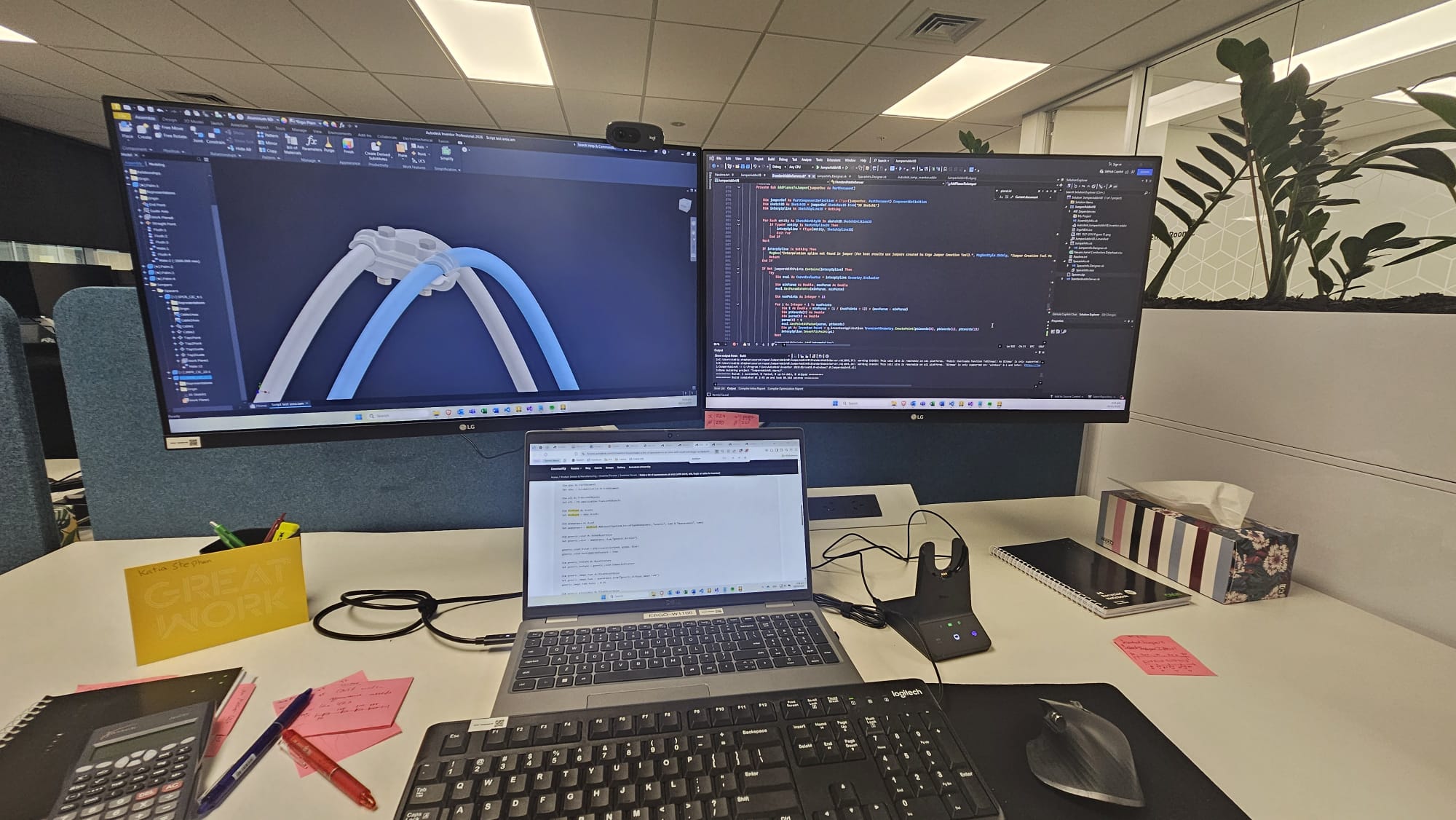
During my internship at Ergo Consulting Ltd in Auckland, I worked on power systems engineering projects that required long-term performance, safety, and efficiency. Many tasks, such as developing FEA based tools and force calculators for HV cables, were directly linked to infrastructure that must operate reliably over decades.

I observed that Ergo consistently prioritised sustainable engineering outcomes by designing systems that minimised material use, reduced waste, and avoided unnecessary overdesign. Their frugal approach ensured solutions were not only technically sound but also resource-efficient and economically viable.

While developing engineering automation tools, I reflected on how digital optimisation can support sustainability by reducing repeated manual design work and limiting design errors that lead to rework or wasted materials. This challenged my earlier view that sustainability was mainly environmental, broadening it to include efficiency and lifecycle thinking.

From an engineering perspective, sustainability at Ergo aligned strongly with systems thinking. By modelling thermal expansion, short-circuit forces, and structural responses early in the design phase, engineers reduced downstream risks and avoided reactive modifications, which are often costly and wasteful.

This experience highlighted how sustainable engineering is shaped by organisational culture. Ergo’s emphasis on future-focused infrastructure and client collaboration demonstrated that sustainability is not an add-on but a core professional responsibility, particularly in power systems where failures have significant social and environmental consequences.

As a result, I now view sustainability as inseparable from good engineering practice. Going forward, I will aim to design systems that prioritise lifecycle performance, digital optimisation, and material efficiency, recognising that sustainable solutions are often the most robust and technically defensible.
- Katia S
WhatsApp Image 2025-08-05 at 00.10.25 (2)
WhatsApp Image 2025-07-28 at 17.47.12
Professional Practice within Intercultural and Global Contexts
I undertook my internship in New Zealand after pausing my studies and proactively securing a role at Ergo Consulting Ltd. The workplace was highly multicultural, with engineers from New Zealand, Scotland, India, the Philippines, and across Asia.

Working in this environment required adapting my communication style to suit different professional backgrounds and perspectives. Despite cultural differences, the team was inclusive, supportive, and collaborative, which helped me integrate quickly as an intern.

Through daily interactions, I reflected on how engineering practice is influenced by cultural norms, particularly in communication, problem-solving approaches, and attitudes toward hierarchy. This prompted me to be more deliberate in listening, clarifying assumptions, and explaining technical decisions clearly.

From a professional standpoint, this intercultural setting enhanced project outcomes by combining diverse technical experiences and viewpoints. Collaboration across global backgrounds strengthened design decisions and reduced the likelihood of narrow or biased engineering solutions.

This experience reinforced that modern engineering operates within a global context. Engineers must be culturally competent to work effectively across borders, particularly in consultancy roles where projects, standards, and clients often span multiple regions and regulatory environments.

As a result, I now see intercultural competence as a core engineering skill rather than a soft skill. I will continue to develop inclusive communication practices and global awareness, recognising their importance in delivering effective, ethical, and collaborative engineering solutions.
- Katia S